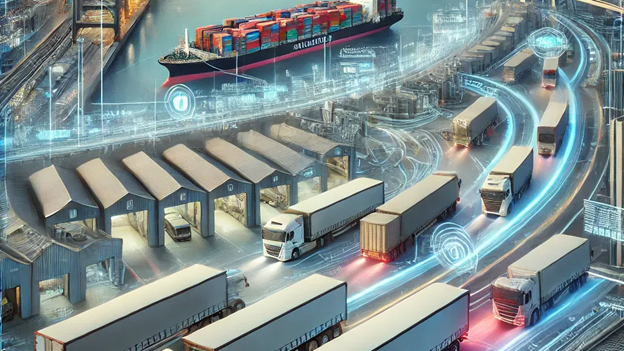
As Bangladesh continues its impressive economic trajectory, the country is positioning itself as a critical player in both regional and global trade. With strategic policies, infrastructure investments, and evolving trade agreements, Bangladesh is navigating a complex yet promising trade landscape. In this final episode, we explore the future outlook of Bangladesh’s trade, highlighting sustainability efforts, digital transformation, and increasing global connectivity.
Sustainability: A Key Pillar of Future Trade
The global trade ecosystem is rapidly shifting towards sustainability, and Bangladesh is no exception. Several key initiatives are paving the way for an environmentally responsible trade future:
-
Green Ports & Eco-Friendly Logistics
The government has introduced policies to develop green ports, with Chattogram Port working towards eco-friendly infrastructure and digitalized operations.
-
Renewable Energy in Manufacturing
The textile sector, Bangladesh’s largest export industry, is adopting solar and other renewable energy sources to meet sustainability standards set by international buyers.
-
Sustainable Transport Initiatives
Efforts to reduce carbon emissions in freight transportation are gaining traction, with discussions around electric trucks and optimized logistics routes to cut fuel consumption.
The Digital Transformation of Trade
Bangladesh is embracing digitalization to enhance trade efficiency, minimize bureaucracy, and attract foreign investments:
-
National Single Window (NSW)
The government’s push for a paperless trade system through the NSW platform is streamlining customs clearance, reducing transaction times and costs.
-
Blockchain in Supply Chain
Some industry leaders are piloting blockchain-based solutions to ensure transparency and efficiency in trade documentation.
-
E-commerce Boom
The rise of digital trade platforms is creating new export opportunities for SMEs, allowing them to reach international markets more easily.
Expanding Regional and Global Trade Agreements
Bangladesh is actively strengthening its trade relationships to secure new market access and remain competitive post-LDC graduation:
-
Bilateral and Multilateral Trade Agreements
Bangladesh is negotiating preferential trade agreements (PTAs) and free trade agreements (FTAs) with key markets like the EU, India, and China to maintain tariff advantages.
-
BBIN & BIMSTEC Connectivity
Regional trade facilitation through the BBIN Motor Vehicle Agreement and BIMSTEC transport corridors will boost cross-border trade efficiency.
-
Special Economic Zones (SEZs)
The government’s push to develop SEZs is attracting foreign investors, enhancing Bangladesh’s role in global supply chains.
Bangladesh’s trade future is shaped by innovation, sustainability, and connectivity. The country’s strategic reforms, infrastructure developments, and digital initiatives are preparing it to compete on a global scale. While challenges remain, the trajectory is clear: Bangladesh is emerging as a major trade hub in South Asia. Stay tuned for our next series as we explore the dynamic world of freight forwarding in Bangladesh and its crucial role in this evolving landscape.