

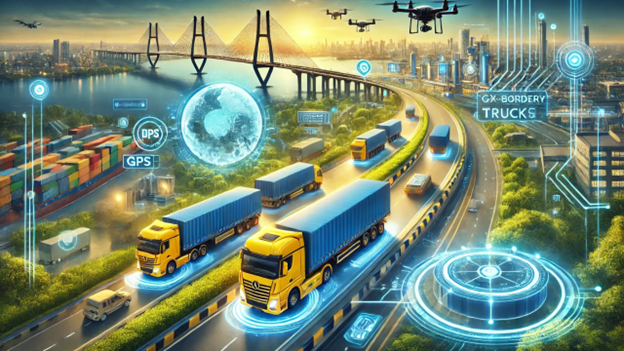
Standing on the Brink of a Logistics Revolution
As we conclude our deep dive into the world of Bangladesh’s road logistics, it’s clear that the industry is not just growing; it is evolving at a breathtaking pace. The freight trucking sector, the unassuming backbone of the nation’s remarkable economic ascent, now finds itself at a historic crossroads. Propelled by a booming economy, a digital revolution, and ambitious geopolitical integration, its trajectory is set to redefine how Bangladesh moves, trades, and thrives.
Contributing a substantial 8% to the national GDP, this sector’s health is directly tied to the nation’s prosperity. Yet, for years, its potential has been tempered by familiar challenges: infrastructural gaps, regulatory complexities, and inefficiencies. Today, a powerful confluence of technological innovation, visionary government initiatives, and unprecedented regional cooperation is forging a new path forward. This final installment looks beyond the horizon, exploring the emerging trends, agreements, and policies that are poised to transform Bangladesh’s freight trucking from a national necessity into a regional powerhouse.
A Sector Reimagined: Emerging Trends Shaping the Industry
The future of trucking in Bangladesh is digital, specialized, and intelligent. The transformation is already underway, driven by a wave of innovation that is making logistics smarter, faster, and more reliable.
1. The Digital Transformation: Connecting the Dots
The most palpable change is the rapid digitization of logistics. Gone are the days of endless phone calls and opaque pricing. The rise of digital freight platforms has injected unprecedented transparency and efficiency into the market.
-
Local Innovation Leading the Charge: Homegrown apps like Truck Lagbe, GIM, and Loop Freight have become household names in the industry. To put their impact into perspective, consider that Truck Lagbe alone has facilitated over 500,000 trips, effectively connecting a fragmented network of truck owners with businesses in need of reliable transport. This digital matchmaking slashes empty return trips, maximizes asset utilization, and reduces fuel wastage, directly boosting drivers’ incomes and company bottom lines.
-
Beyond Booking: The Rise of Smart Fleets: Digital transformation goes far beyond an app. The integration of advanced GPS tracking and comprehensive fleet management systems is creating a new era of visibility. Companies can now monitor vehicle location, fuel consumption, driver behavior, and engine health in real-time. This data is no longer just for tracking; it’s used for predictive analytics, allowing managers to optimize routes dynamically to avoid Dhaka’s traffic congestion, schedule maintenance before a breakdown occurs, and provide customers with accurate, real-time delivery updates.
2. Automation and Smart Infrastructure: The Next Frontier
While visions of fully autonomous trucks navigating the bustling streets of Dhaka remain a future prospect, the building blocks of a smarter logistics ecosystem are being laid today.
-
Semi-Automation and Smart Hubs: The initial steps involve semi-automated technologies in warehouses and logistics hubs—automated sorting systems, inventory drones, and smart loading bays that reduce turnaround time. This aligns perfectly with the government’s Digital Bangladesh Vision, which prioritizes the integration of technology into every facet of the economy, including logistics.
-
Intelligent Transport Systems (ITS): The future will see the implementation of ITS on key highways like the Dhaka-Chattogram route. These systems use sensors and data communication to manage traffic flow, provide real-time alerts to drivers, and enhance safety, ensuring the smooth movement of goods.
3. A Diversified and Specialized Fleet
The one-size-fits-all approach to trucking is fading. As the economy matures, demand is surging for specialized transportation solutions tailored to specific industries.
-
Catering to Niche Demands: The Bangladesh Truck Owners Association reports a notable 15% year-on-year increase in the acquisition of refrigerated trucks. This spike is directly driven by the growth of the pharmaceutical industry, which requires strict temperature-controlled logistics, and the rising consumer demand for fresh and perishable goods. This trend towards specialization signals a more sophisticated and mature market that can support higher-value goods.
Regional Connectivity: Unlocking a Cross-Border Bonanza
Perhaps the most significant opportunity for Bangladesh’s trucking sector lies beyond its borders. The country is rapidly shedding its peripherality to become a central hub in regional trade networks.
The BBIN Motor Vehicle Agreement (MVA): A Game Changer
Signed on June 15, 2015, the BBIN MVA is arguably the most critical regional agreement for the logistics sector. It facilitates the seamless cross-border movement of passenger and cargo vehicles between Bangladesh, Bhutan, India, and Nepal.
-
Impact: For truckers, this means drastically reduced transit times, elimination of cumbersome trans-shipment processes at borders (where goods had to be transferred from one country’s truck to another), and a significant reduction in costs and delays. It effectively turns a multi-national journey into a single, smooth trip, unlocking immense potential for regional trade.
The Asian Highway Network: Integrating into the Mainstream
Bangladesh’s integration into the Asian Highway Network (specifically routes AH1 and AH41) is a cornerstone of its regional strategy. These designated highways ensure standardized, high-quality road connections across continents.
-
Strategic Advantage: This integration enhances Bangladesh’s connectivity with India, Myanmar, and beyond, promoting economic collaboration and making it a crucial link in international supply chains.
The Geopolitical Gateway
Bangladesh’s strategic location is its greatest asset. It is increasingly positioned as the preferred gateway for landlocked regions in Nepal and Bhutan, providing them with access to the Bay of Bengal through its ports. This role elevates the importance of its domestic trucking sector, which becomes the vital first and last-mile connector for a vast hinterland of regional trade.
The Enabling Force: Government Initiatives and Policy Reforms
This transformation is not happening in a vacuum. A proactive government is creating the necessary policy and infrastructural environment for the sector to flourish.
-
The Road Transport Act 2018: This landmark legislation focuses on modernizing the regulatory framework, emphasizing safety standards, formalizing operations, and ensuring compliance. It is a crucial step towards bringing order and professionalism to the sector.
-
Mega-Project Investments: Infrastructure investments are tangible and transformative. The iconic Padma Bridge is a testament to this commitment. By connecting the southwest to the rest of the country, it is expected to boost national GDP by 1.2%, drastically improve internal connectivity, and open new economic corridors for the trucking industry.
-
Driving Sustainability: Recognizing environmental concerns, the government is beginning to explore incentives for adopting cleaner technologies, such as encouraging a shift to higher emission standards and investigating the feasibility of electric truck initiatives for a greener future.
A Collaborative Journey Forward
The future of Bangladesh’s freight trucking industry is undeniably bright. The trajectory is clear: a shift towards a technology-driven, regionally integrated, and professionally managed sector that is efficient, transparent, and sustainable. By embracing digital platforms, capitalizing on regional agreements like the BBIN MVA, and adhering to supportive government policies, this sector is poised to become a pivotal engine of national and regional economic development.
However, realizing this full potential requires unwavering collaboration among all stakeholders—government bodies, private sector players, logistics associations, and technology providers. By navigating the challenges together and harnessing these unprecedented opportunities, Bangladesh’s freight trucking industry is not just preparing for the future; it is actively building it.
References
-
Bangladesh Truck Owners Association. (2023). *Annual Report on Fleet Acquisition and Industry Trends 2022-2023*. Dhaka: BTOA.
-
Ministry of Road Transport and Bridges. (2018). The Road Transport Act, 2018. Dhaka: Government of the People’s Republic of Bangladesh.
-
SAARC Secretariat. (2015). BBIN Motor Vehicle Agreement (MVA). Kathmandu: South Asian Association for Regional Cooperation. Available from: https://www.saarc-sec.org/ (Accessed: 24 October 2023).
-
United Nations Economic and Social Commission for Asia and the Pacific (UNESCAP). (2021). Asian Highway Network Database. Bangkok: UNESCAP. Available from: https://www.unescap.org/projects/ah (Accessed: 24 October 2023).
-
World Bank. (2022). Bangladesh Development Update: Expanding Opportunities for Sustainable Growth. Washington, DC: World Bank Group. Available from: https://www.worldbank.org/en/country/bangladesh/publication/bangladesh-development-update (Accessed: 24 October 2023). Alza Fintrion


