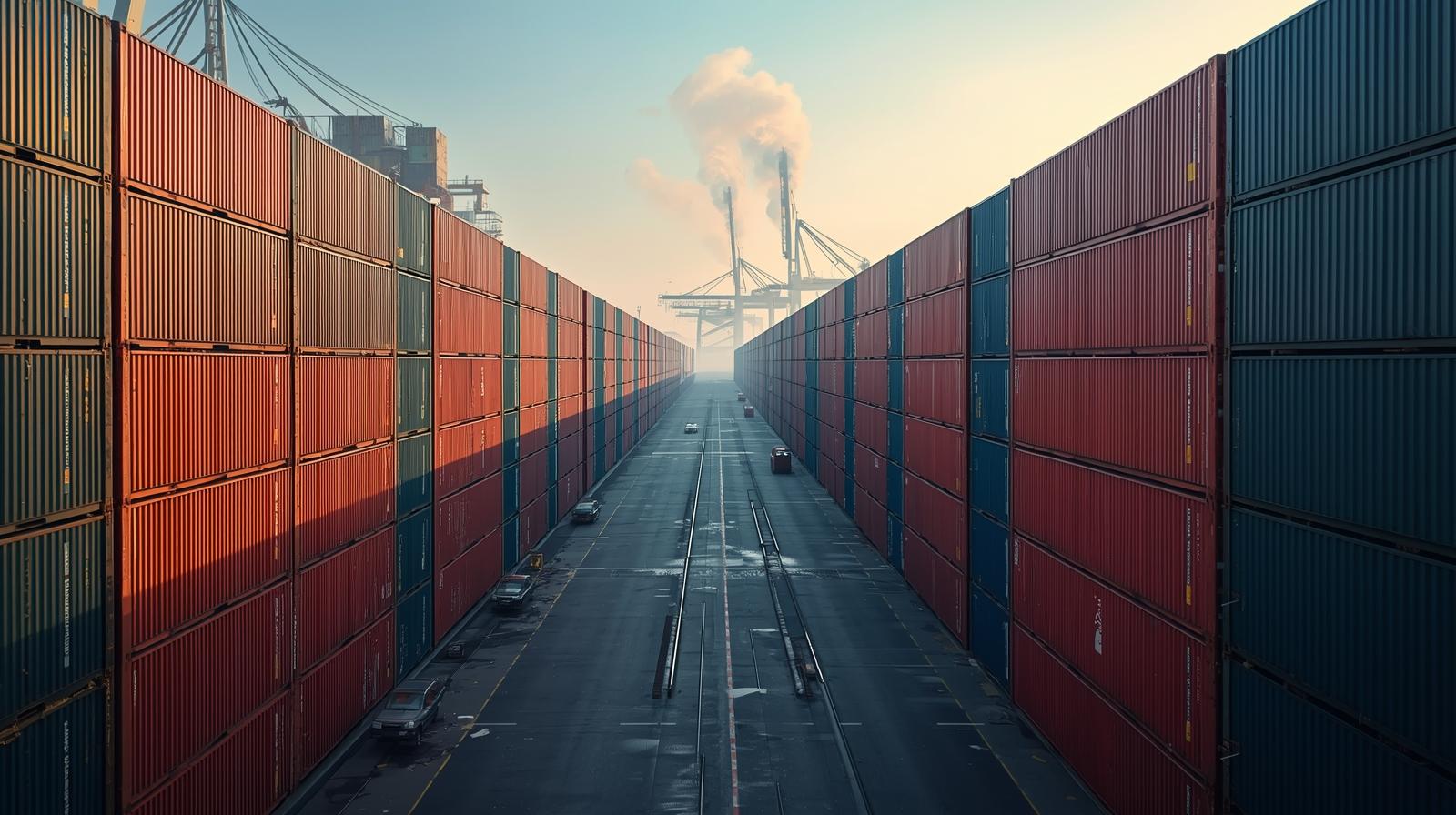
A Silent Choke on Trade
The global container system looks deceptively simple: boxes move from factory to port, get loaded on ships, and arrive at destination. In reality, the invisible rhythm of empty-container flows governs who can export when and at what cost. When the rhythm breaks because of rerouted ships, port congestion, trade imbalances or sudden demand swings the result is not just delayed shipments. It is a cascade of hidden costs: expensive repositioning, higher freight rates, demurrage, lost sales and painful working-capital stress for exporters.
Bangladesh’s export industries feel this sharply. Even when production runs smoothly, companies often cannot find export containers at the right time or place. That’s why the phrase “empty boxes still rule trade flow” is not rhetoric, it describes the single operational constraint that can convert a profitable order into a logistics disaster. This article explains what causes container shortages today, how they specifically affect Bangladeshi trade, and practical steps exporters and logistics managers can take to reduce risk and cost.
What Caused the Container Shortage?
The modern container imbalance is multi-causal and partly structural:
- Trade imbalances & regional growth differences. Regions that import more than they export accumulate empty boxes; the reverse regions have surpluses. Since repositioning boxes costs money and time, imbalances become persistent.
- Rerouting and geopolitical shocks. Events like Red Sea attacks and the need to sail around Africa force longer voyages, create blank sailings and ripple congestion across hubs reducing on-time vessel calls and disrupting container availability.
- Port congestion and yard capacity limits. When ports are congested, containers pile up in yards or on ships; empty depots fill up and cannot accept returns, a localized but very real shortage.
- Blank sailings and carrier capacity decisions. Shipping lines adjust sailings to protect yields, creating sudden local or trade-lane equipment shortages.
- Operational friction inland delays and repositioning lag. Even when boxes exist, inefficient inland moves and limited depot capacity make them effectively unavailable where and when needed.
These are not temporary inconveniences. Industry analyses show that regional container trade imbalances increased substantially in recent years, and repositioning lead times have lengthened, meaning shortages are recurring, localised and expensive to fix.
How the Shortage Hits Exporters: The Mechanics of the Pain
For an exporter, container shortage does damage in five interlinked ways:
- Higher freight and re-positioning charges. If you need a box fast, you pay a premium- either via higher spot rates or by contracting a carrier to reposition empties. Freight volatility spikes when equipment is scarce.
- Longer booking lead times and uncertain schedules. Lines issue fewer slots; blank sailings increase; carriers prioritise higher-yield trades leaving smaller exporters with limited options.
- Demurrage and detention exposure. Delays at origin or destination quickly convert to daily demurrage; when return depots are full, exporters end up paying detention or paying to stack empties elsewhere. Chattogram, for example, has faced yard overcapacity and growing empty inventories.
- Inventory & working capital pressure. Waiting for containers pushes lead times out; buyers demand faster replenishment; exporters hold more WIP and finished stock tying up cash and increasing risk.
- Lost business and reputation risk. Missed vessel cut-offs, late deliveries and cancelled bookings damage buyer trust and in price-sensitive markets, can cost long-term contracts.
A realistic scenario: when Chattogram saw export-laden volumes surge in 2025, empty-box management became a daily firefight with yards stretched beyond design capacity, bookings harder to secure and costs rising across the board.
Bangladesh Specifics: Why We Feel it Harder
Bangladesh’s logistics ecosystem amplifies the global problem:
- Port concentration: A disproportionate share of container trade flows via Chattogram (and increasingly via secondary ports). A bottleneck at one key port ripples across the national export system.
- Limited empty-yard capacity and depot networks: Local depot networks were designed for historical trade patterns; sudden surges in empty returns overwhelm yard capacity and force expensive ad-hoc storage or repositioning. Recent reporting shows Chattogram’s empty yards have exceeded capacity at times, creating operational stress.
- Inland transport and container stuffing constraints: Many factories are inland; transporting empties to and from depots, stuffing containers at factory sites, and coordinating customs inspection slots all create delays that amplify shortages.
- Vulnerability to regional shocks: Rerouted vessels and rising transshipment loads at hubs such as Singapore and Colombo affect feeder schedules and container circulation in Bangladesh.
A small global imbalance becomes a local crisis because of limited alternatives and thin operational buffers.
Real Case Vignette
A mid-sized garment exporter in Gazipur booked a monthly controlled run of 300 TEUs for seasonal orders. When a spike in food imports to nearby ports increased import-laden demand and local depots filled, the exporter suddenly faced a 10–14 day delay for export boxes. The carrier offered a pricey repositioning option or a slot three weeks later. The exporter opted to pay demurrage on the production line (holding finished goods) and to charter a truck-and-chassis to an inland depot 80km away, a solution that increased cost per container by ~12% and eroded the seasonal margin. This pattern replays across many SMEs and is the real reason margins compress during equipment tightness. (Industry reports and local port coverage show similar incidents across 2024–2025).
Quantifying the Cost: Quick Numbers to Keep in Mind
Exact figures vary by route and market, but several industry sources help quantify scale:
-
Repositioning cost per empty TEU can range from a few hundred to over a thousand USD depending on distance, truck/rail use, and whether a vessel call or feeder leg is involved. When multiplied across thousands of TEUs, repositioning becomes a meaningful line item.
-
Demurrage/detention often accrues daily; a single 10–day delay at typical demurrage rates can easily exceed several hundred USD per box on major ports. Combined with detention, the total add-on can outstrip freight itself for a small exporter.
-
Macro effects: UNCTAD and OECD analysis show that shipping cost volatility and container shortages materially affect import prices and can add unexpectedly to landed cost. For exporters, this appears as margin pressure and unpredictability in cash flows.
(Practical note: when you model orders, run sensitivity tests: +$200, +$500 and +$1,000 per TEU scenarios. You’ll quickly see which orders survive stress and which don’t.)
Practical Playbook: What Exporters & Forwarders Must Do Today
This is the operational checklist that separates companies that survive from those that suffer.
- Treat container as a scarce resource: Project container needs 60–90 days ahead (not 14–30). Don’t assume availability. If you cannot confirm boxes, push for earlier bookings with carriers or accept partial shipments.
- Negotiate flexible terms with buyers: Where possible, move to FCA or CIF constructs that share equipment risk, or include clauses for container shortfall contingencies and cost sharing. Clear contract language around demurrage, detention and inspection holds prevents after-the-fact disputes.
- Build relationships with multiple carriers & NVOCCs: Relying on one carrier is riskier. Smaller NVOCCs and regional feeders sometimes have access to repositioned empties. Maintain an equipment-availability dashboard with each partner.
- Use local depots smartly: When depots fill, pre-arrange quarantine space or private yards. Pay for controlled storage if it avoids long demurrage or lost bookings. It’s often cheaper than the cost of a cancelled contract.
- Time production to container flow: If your factory can stage goods in finished goods warehouses close to depots, you can buffer orders and match shipments to confirmed container slots rather than forcing production to match ship schedules. That reduces demurrage risk.
- Consider alternative routes and modes: Where feasible, multimodal routing (inland waterways, rail or transshipment via alternate ports) can reduce exposure on one congested corridor — but only if total landed cost and lead time are acceptable. Bangladesh exporters should evaluate river barge options and feeder shipments via Mongla or secondary ports when Chattogram is stressed.
- Track empties with real-time visibility: Invest in TMS/tracking that shows where empties are in the system. Visibility reduces duplication and speeds repositioning decisions. Many modern freight platforms integrate equipment availability data and can issue alerts when depot capacity thresholds approach.
- Financial hedging and contingency funding: Set aside contingency for peak-season repositioning. Negotiate payment terms that allow for partial prepayment of repositioning fees, or use letters of credit structured to account for logistics volatility.
What Carriers and Policymakers can do
Some fixes require action beyond a factory gate:
-
Carriers: improve transparency on equipment allocation; coordinate regional repositioning pools; publish realistic lead times for empty returns. Industry groups like BIMCO and SeaIntelligence emphasise planning for long-lead repositioning.
-
Ports & terminal operators: expand empty-container yards where feasible; implement dynamic depot allocation to reduce local congestion; fast-track empty returns during peak times. Chattogram’s recent yard stresses are a clear signal that physical capacity matters during surges.
-
Government & trade bodies: support multimodal corridor development (river barges, short-sea shipping) and streamline customs processes for empty returns to reduce dwell time and increase effective equipment circulation.
A Short Scenario: What Good Management Looks Like
An exporter in Narayanganj shifted to a two-pronged strategy: pre-booked monthly allocations with two carriers (one mainline, one feeder) and a small leased yard close to the depot for overflow. During a 2025 surge, this exporter avoided demurrage and was able to honour schedule-sensitive retail contracts; the additional cost of the leased yard and dual bookings was fully offset by avoided penalties and preserved customer relationships. That’s the power of treating container access as strategic, not transactional. (Local operator accounts and industry reports from 2024–2025 reflect similar success stories.)
Environmental & Systemic Cost: The Hidden Externality
Empty repositioning is not just expensive, it’s carbon-intensive. Inefficient truck moves between depots and ports emit CO₂ and add to road congestion. Recent research flags the environmental cost of empty-container repositioning as a rising concern, arguing that smarter pooling and circular logistics can cut emissions and cost simultaneously. For exporters pushing green credentials, showing how you minimise empty miles can become a competitive advantage.
Containers are the oil in the modern trade engine. When they’re scarce, everything else squeals. In 2025 and beyond, exporters in Bangladesh must stop treating container availability as an operational afterthought. Make it a strategic item in your commercial planning: forecast earlier, sign smarter contracts, strengthen carrier relationships, and invest a little in visibility and contingency capacity.
The result: fewer fire-drills, preserved margins, and reputations that win repeat business. In a world where empty boxes can silently choke an entire season’s profits, that’s not optional, it’s competitive survival. Værdiborg
References
- BIMCO 2025, Regional container trade imbalances rise by 33%, BIMCO, Copenhagen. [Accessed 12 Nov 2025].
- The Business Standard 2025, [Accessed 28 Nov 2025].
- The Daily Star 2025, ‘Ctg port overburdened with empty containers’, The Daily Star, 8 Aug. [Accessed 12 Nov 2025].
- UNCTAD 2025, Mindful Monday 10: The complex factors behind the unprecedented shortage of containers hampering trade’s recovery, UNCTAD, Geneva. [Accessed 14 Nov 2025].
- The Daily Star 2024, ‘Jetties empty at Ctg port as import falls’, The Daily Star, 5 Dec. [Accessed 14 Nov 2025].
- The Daily Star 2023, ‘CPA to end forced shipment of empty containers’, The Daily Star, 16 Feb. [Accessed 14 Nov 2025].
- Maritime Gateway 2023, ‘Chittagong Port ends forced shipment of empty containers’, Maritime Gateway, 17 Feb. [Accessed 15 Nov 2025].
- The Daily Star 2024, ‘Inbound vessels struggle to berth at Ctg port’, The Daily Star, 5 Sep. [Accessed 16 Nov 2025].
- The Bangladesh Monitor 2025, ‘Chittagong Port handles record 3.3m containers in 2024’, The Bangladesh Monitor, 7 Jan. [Accessed 28 Nov 2025].